
The Missing Layer in Industrial Supply Chains: Scenario-Based Decision Making
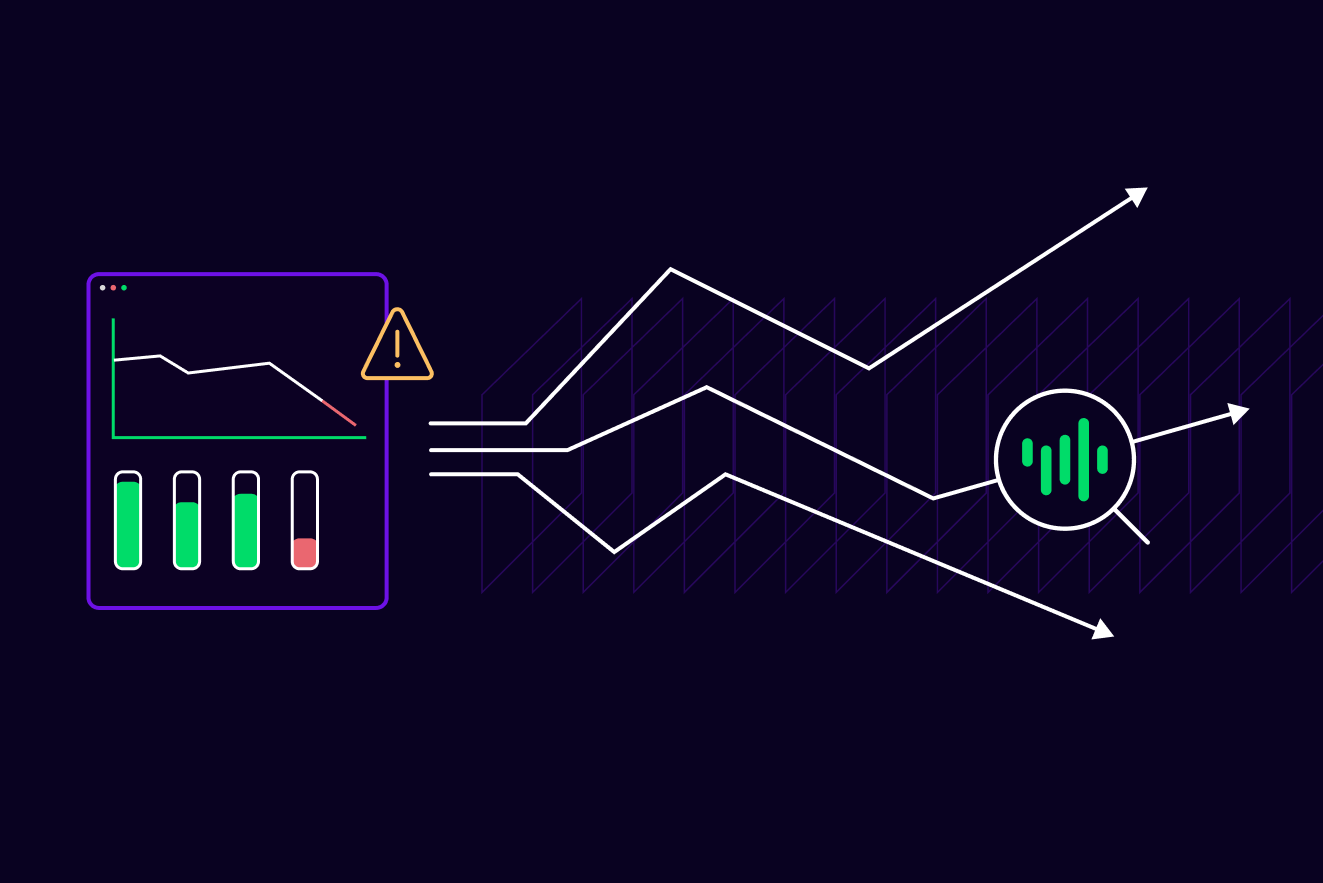
Image: Simple illustration investigating stock-out scenarios
Industrial supply chains have always operated under uncertainty. Weather shifts, port congestion, demand fluctuations, and geopolitical disruptions are not new challenges. What has changed is their frequency, scale, and impact.
In response, many industry players have invested in improving visibility. Tracking systems, dashboards, and reporting tools have made it easier to understand what is happening across operations. This has been an important step forward, but it has not fundamentally changed how decisions are made. Visibility alone does not guarantee control or improved supply chain outcomes.
What ultimately drives performance is how this data is used along with, what we describe as, “trading efficiency”. This is using data not just to monitor the supply chain, but to optimize decisions across it. This means moving beyond isolated decisions and instead evaluating trade-offs and consequences at a system level.
When plans stop reflecting reality
With many industrial supply chains still managed through a combination of long-term planning and short-term reaction, procurement teams build structured plans months in advance, while operations teams manage day-to-day execution. When disruptions occur, teams come together to resolve them, often under time pressure.
This model has worked in more stable environments. But in today’s context, it’s increasingly exposed.
The issue is not that plans are poorly constructed. In many cases, they are well thought through and optimized based on the information available at the time. The problem is that they quickly become outdated. A delay at a load port, a shift in demand, or a new congestion point can invalidate key assumptions within hours.
The challenge is no longer planning alone. It’s the ability to continuously reassess and adapt as conditions change.
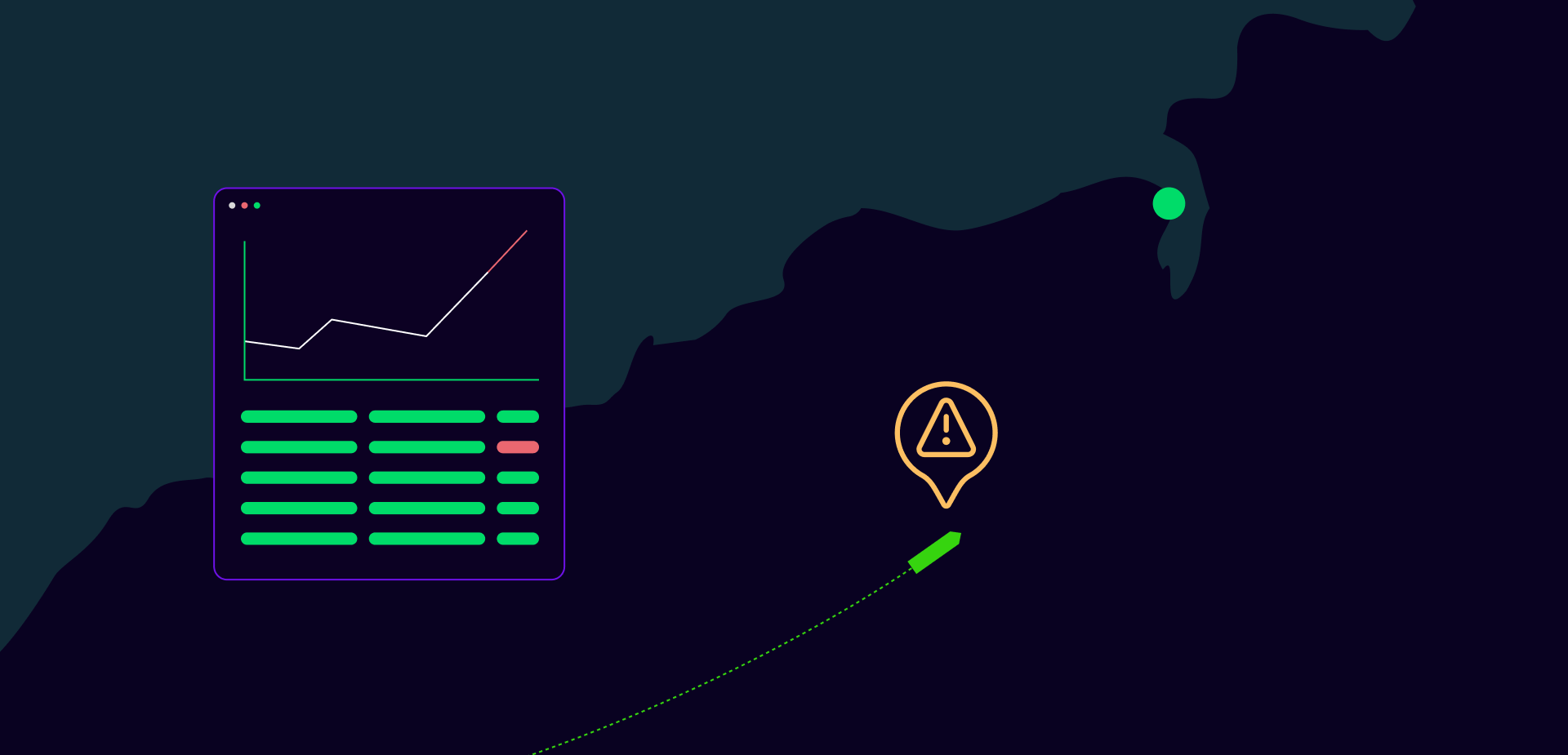
Image: Simple illustration scenario of vessel arriving ahead of schedule and breaching inventory capacity
The missing layer: scenario-based decision making
This is where a critical layer is still missing in many industrial supply chains: structured scenario-based decision making.
Scenario planning is often treated as a strategic exercise. In practice, it’s equally valuable in day-to-day operational decision making. At any given moment, supply chain teams are faced with choices. Should a vessel be delayed or accelerated? Should cargo be reallocated between plants? Is the current inventory position sufficient, or is there a risk of stockout?
Traditionally, these decisions are made based on experience, partial data, and time constraints. Teams gather information from multiple sources, align internally, and select what appears to be the best option. But there is often limited structure for evaluating alternatives, quantifying trade-offs, and comparing outcomes before committing.
As a result, decisions tend to become reactive by design.
From planning to continuous replanning
Leading players are beginning to move beyond this model. The shift is not towards more complex planning, but towards a different way of working.
This does not make long-term planning less important. It makes it more useful by connecting it more directly to the operational decisions that determine whether a plan holds up in practice.
Instead of focusing on creating the perfect plan, the focus shifts to continuously improving the current situation based on the latest available information.
This approach typically follows a clear and repeatable framework.
First: Establish a shared and reliable view of the current state of the supply chain. Without a common understanding, decision-making will remain fragmented.
Second: Generate and evaluate scenarios. What are the available options, and what are their consequences? What happens if a vessel is delayed? How does a change in cargo allocation affect inventory, cost, and service levels?
Third: Define clear decision criteria. Not all scenarios are equal, and not all trade-offs are acceptable. Organizations that perform well are explicit about what they optimize for, whether that is cost, reliability, or a balance of both.
Finally: Close the loop. Evaluate outcomes, learn from decisions made, and continuously refine both data and processes. This isn’t a process driven by weekly or monthly planning cycles, it’s event-driven and continuous.

Image: Simple illustration of problem scenario in plans
Future-proofing the supply chain playbook
The benefits of this shift are tangible. By identifying risks earlier, industry players can avoid stockouts and reduce reliance on emergency measures. By evaluating alternatives in advance, they can reduce potentially avoidable costs such as vessel waiting time and inefficient cargo allocation. By aligning decisions across functions, they can improve both operational performance and working capital efficiency.
In today’s environment, supply chains are becoming more interconnected, more exposed to external shocks, and more accountable for both financial and environmental performance.
The companies that succeed will not necessarily be those with the most data, or even the most advanced plans. They will be the ones that move beyond visibility and build the missing layer of scenario-based decision making into how they operate every day — and unlock trading efficiency by turning information into smarter, more coordinated decisions across the entire supply chain.
Want to see what scenario-based decision making can do for you? Get in touch with our supply chain specialists today.